
KEEP LOOKING UP: Why Astronomy Is a Reason to Care About Earth
Oct 17, 2026
By Michelle Sebastian
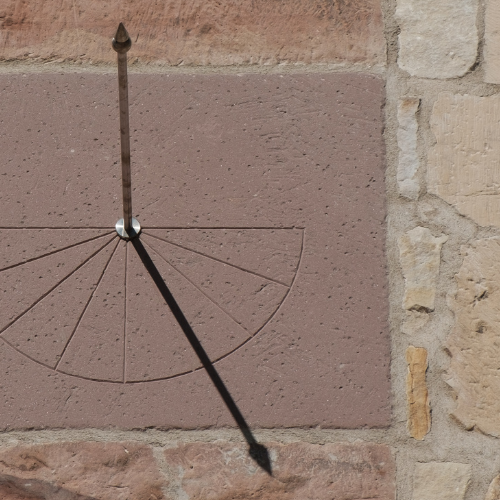
In third grade, my teacher Mrs. Bartholomew took our class out to the blacktop and lined us up next to the tetherball pole. At noon we marked the tip of its shadow with chalk. The clock always said 12:00, but over the weeks the chalk marks kept moving. That was my first astronomy lesson: you can watch the seasons change from a school playground if someone shows you where to look. She ended every day the same way: “Keep looking up.”
Recently I interviewed her for the first episode of my podcast, Wonder & Why. I asked her why kids should care about space exploration, a question my English class once had to debate without getting to pick sides. She started with how useful space is, which is pretty convincing. I’d add one more reason: looking out at the universe is the best way I know to start caring about this planet.
Space Is Already in Your Pocket
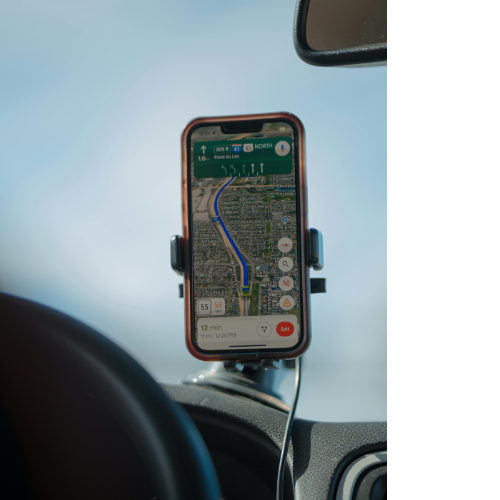
If you used a map app today, you used space. GPS runs on satellites, and so do satellite communications and much of weather forecasting. Space research shows up in hospitals, too. In the 1960s, engineers at NASA’s Jet Propulsion Laboratory developed digital image processing to sharpen pictures of the Moon, and that work helped lay the groundwork for medical imaging like CT scans and MRI.
She also brought up water. The International Space Station has no tap to refill from, so astronauts recycle nearly everything, including sweat and urine. In 2023, NASA reported that the station was recovering 98 percent of its water. Filtration systems based on NASA’s water-recycling work have since brought clean drinking water to communities in Mexico, Pakistan, and the Dominican Republic. A problem solved for a few people in orbit ended up helping people on the ground.
Space also changes who works together. The ISS is run by five space agencies representing 15 countries, including the United States and Russia, and people have lived aboard it without a break since November 2000. That’s longer than I’ve been alive. As Mrs. Bartholomew put it: “When we go to space, we collaborate. We’re not fighting.”
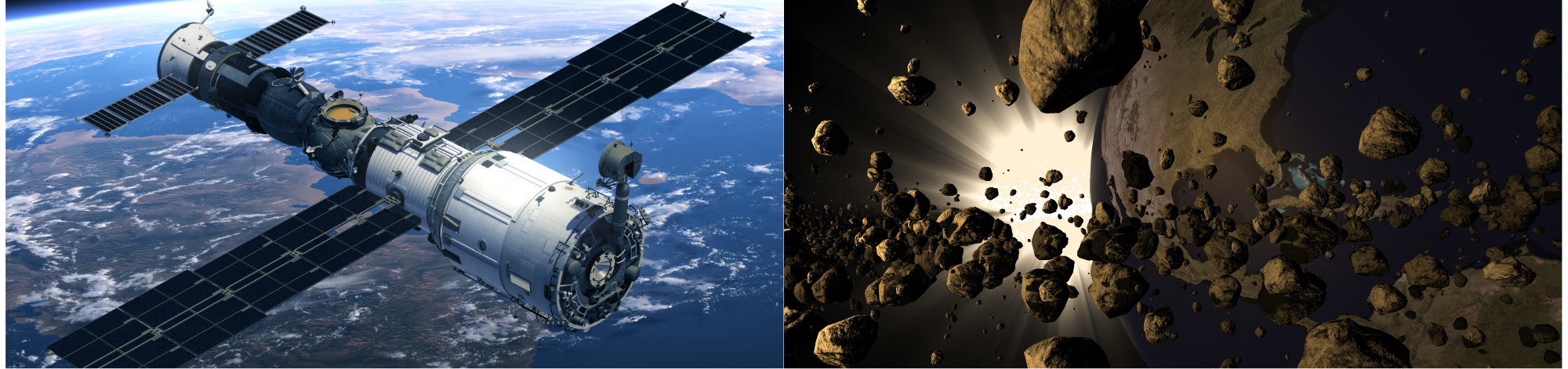
And the work isn’t finished. Space programs already create jobs, and new kinds are coming. NASA’s Stardust spacecraft flew through a comet’s dust and brought samples home in 2006; scientists now ask whether asteroids could someday supply the scarce metals our technology depends on. In microgravity, crystals can grow larger and more orderly, which helps scientists study proteins for new medicines, and materials like semiconductors and optical fibers may come out purer. Mrs. Bartholomew imagined a factory in low Earth orbit making semiconductors. “Who’s going to work on that?” she asked. “We need STEM students to step up and engineer this.” That’s us!
You Can Do Real Astronomy Right Now
You don’t need an observatory. NASA has confirmed more than 6,000 planets orbiting other stars, and the data on every one of them is free online. I built a website, Exoplanet Explorer, so students can work with that real data: compare planets by size and temperature, find which worlds sit in their star’s habitable zone, and try the methods astronomers use to find planets in the first place. All you need is a laptop and a question.
Looking Out Is How We Learned to See Earth
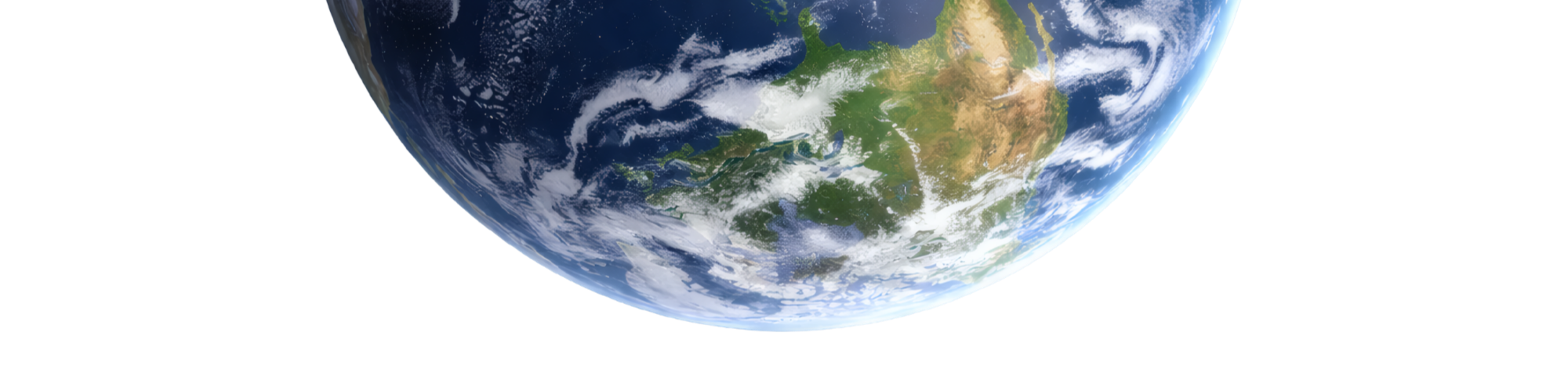
Here is the reason that matters most to me. The farther astronomy takes us from Earth, the more clearly we see it.
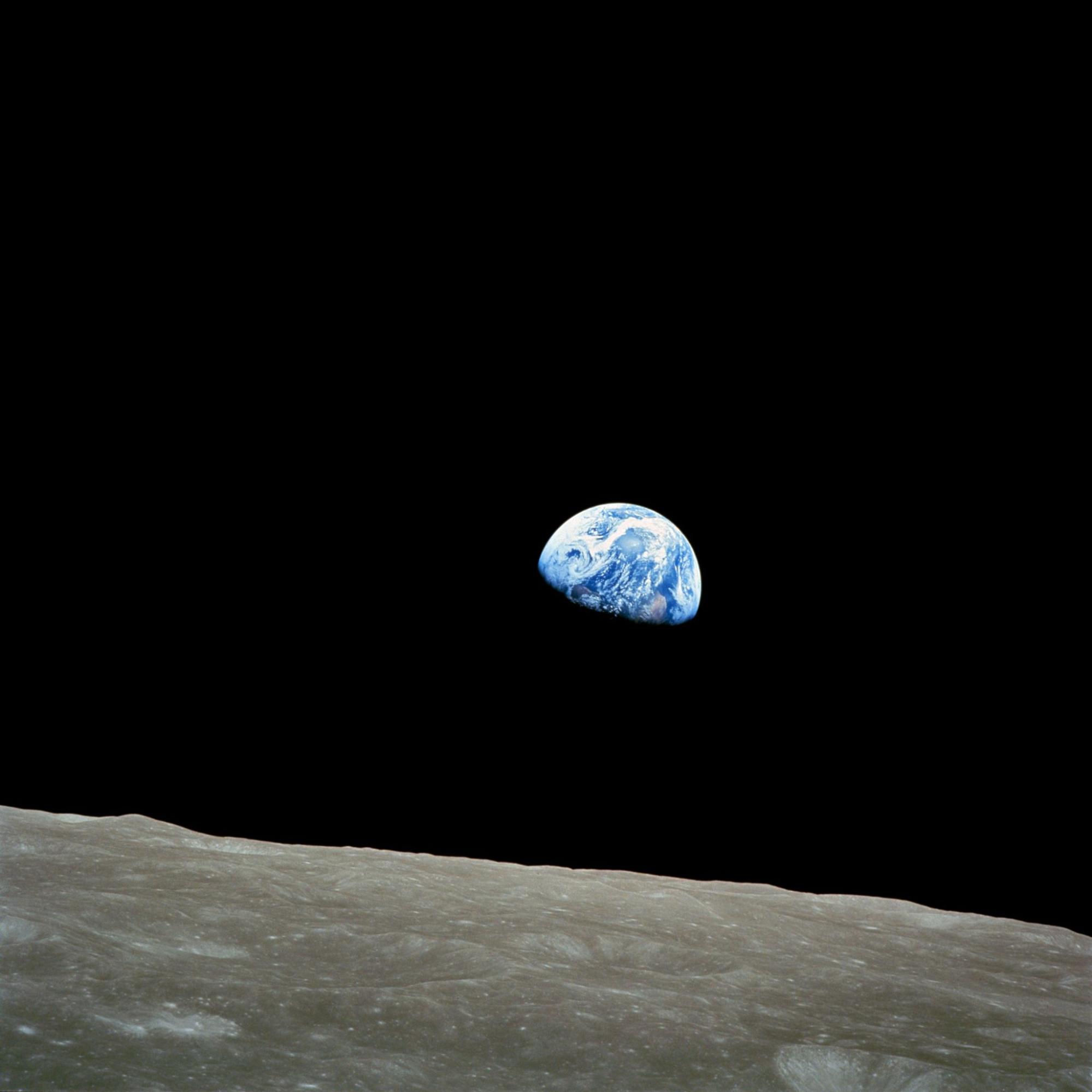
On Christmas Eve 1968, the Apollo 8 astronauts were orbiting the Moon when Earth rose over the lunar horizon. Bill Anders took the photo now called Earthrise: a blue and white planet hanging over gray rock in total darkness. He later said, “We came all this way to explore the Moon, and the most important thing is that we discovered the Earth.” Sixteen months later, the first Earth Day was held. This April, the Artemis II crew photographed Earth setting behind the Moon during their flyby. Fifty-seven years apart, two crews went to see the Moon and came back with pictures of home.
In 1990, Voyager 1 looked back from nearly 4 billion miles away, and Earth showed up as a speck smaller than a single pixel. Carl Sagan called it the “pale blue dot.” That speck is still the only place in the universe where we know life exists.
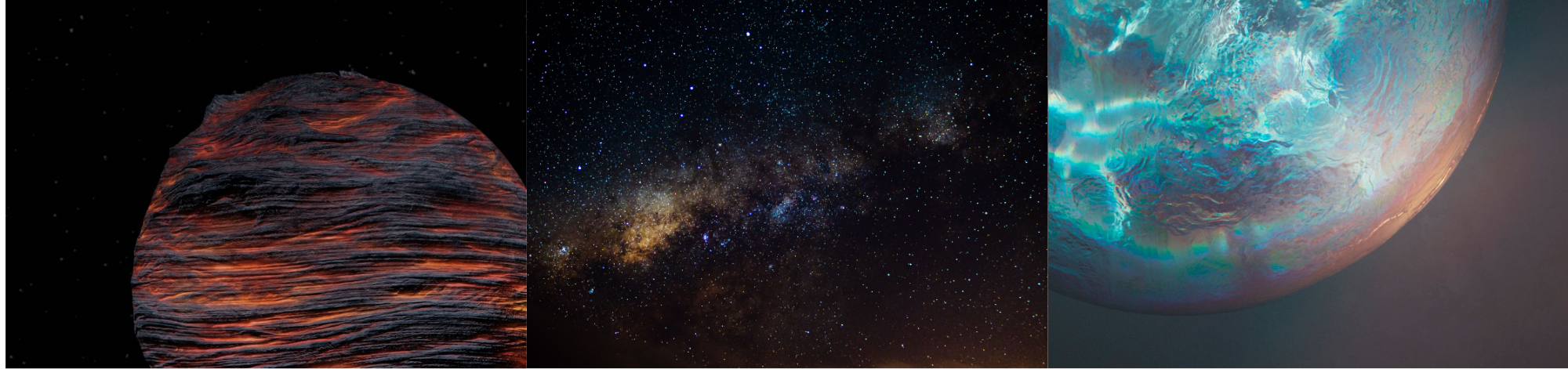
The more planets we find, the rarer Earth looks. Some of the ~6,000 confirmed exoplanets are lava worlds; some are gas giants that circle their stars in a few days. Some orbit in the habitable zone, where liquid water could exist, but being in the right zone doesn’t make a planet livable, and we haven’t confirmed life anywhere else. When I built the Habitable Zone Explorer for my site, I set its starting screen to show small planets that get roughly Earth-like starlight. Out of more than 6,000 confirmed planets, only a couple dozen made the cut. Not one of them is known to have anything living on it.
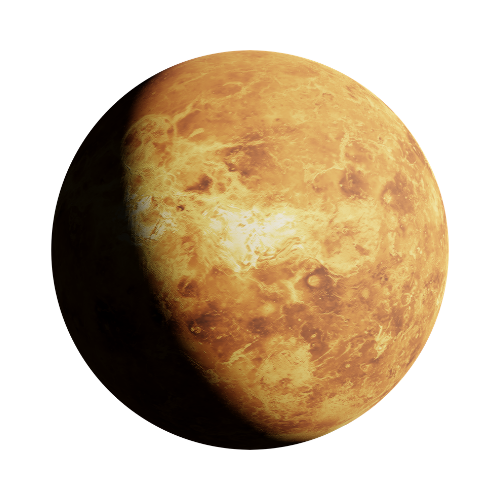
Then there’s Venus, almost Earth’s twin in size and the planet that comes closest to us. Its atmosphere is 96 percent carbon dioxide, and a runaway greenhouse effect keeps its surface around 870°F (about 465°C), hot enough to melt lead. James Hansen wrote his PhD on Venus’s atmosphere before turning to Earth’s climate, and in 1988 he testified to the U.S. Senate that global warming had begun. Earth isn’t going to turn into Venus (phew!), but Venus shows how much an atmosphere decides a planet’s fate. Studying another world’s greenhouse helped us understand our own.
Keep Looking Up, Then Turn Around
Near the end of our conversation, Mrs. Bartholomew gave two pieces of advice. The first was her old refrain: keep looking up. The second I hadn’t heard before: “Turn around and help the person behind you and bring them up.”

I hope those words inspire you to find the thing you can’t stop thinking about, whether it’s black holes, robots, poetry, or fixing bikes, and go after it now. Don’t wait until it’s on your schedule or until you feel qualified enough. Email the researcher. Start the club. Ask the question you think is too basic. Then, once you’ve climbed a little, turn around and help the person behind you.
Resources:
Exoplanet Explorer: my free site for exploring real NASA exoplanet data
Wonder & Why: check out my interview with Mrs. B & other videos about astronomy and careers in STEM